

Barnett Prize winner 2026: Sydney Tucker
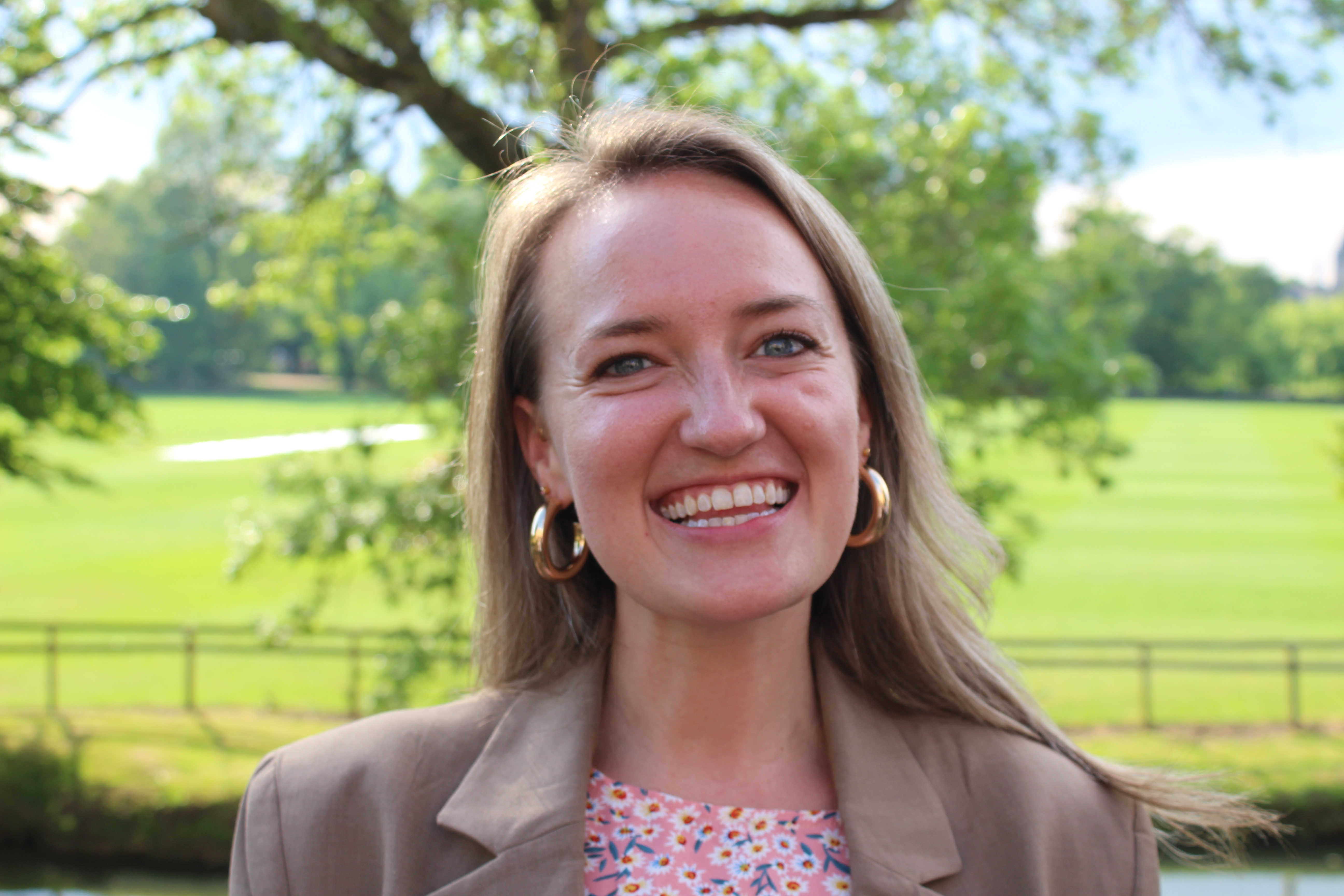
Sydney Tucker
DPhil student Sydney Tucker has been named this year's Barnett Prize winner for her outstanding contribution to social intervention and policy evaluation.
The annual Barnett Prize is awarded to the best paper submitted by a research student for the academic year. Sydney’s paper, ‘Effectiveness of the Hope Groups Intervention on Mental Health, Parenting Practices, and Violence Against Children among Ukrainian Parents and Caregivers Affected by War and Displacement: A Cluster Randomised Controlled Trial’, examined whether a group-based mental health, parenting and violence prevention programme could work during an active war, rather than after the fighting stops.
Sydney Tucker'The evidence shows that investment to scale the Hope Groups intervention can bring significant relief for parents from depression and anxiety symptoms, and prevent violence against children, even amidst the active war.’
Published in the Lancet Regional Health - Europe, the study drew data from a randomised controlled trial of 510 parents and caregivers taking part in the Hope Groups programme in Ukraine. It found that, compared with parents on a waitlist, those who participated in the Hope Groups experienced:
- 52.7% less physical or emotional violence against children
- 57.4% lower levels of depression and anxiety symptoms among parents and carers
- 33.1% stronger protective parenting practices
- 65.4% higher levels of hopefulness about the future and coping with grief
- 56% lower levels of behavioural issues among their children
- 68% higher levels of behaviours to prevent violence against women
- No harms or adverse events identified in either group
Entering her final year of her DPhil in Social Intervention and Policy Evaluation, Sydney commented: ‘Often, society may think that there is no way to protect families during an active war, and investment towards mental health or child protection programming may tragically wait until the war ends.
‘However, if we wait, we are missing a crucial window of critical action. The evidence shows that investment to scale the Hope Groups intervention can bring significant relief for parents from depression and anxiety symptoms, and prevent violence against children, even amidst the active war.’