


Credit: Getty images / gustavofrazaoCredit: gustavofrazao / gettyimages-695509606
Investigating links between adverse and protective childhood contexts and violence later in life:
Analysis of cohort data in England, Brazil & Uganda
Principal investigator: Amiya Bhatia
Funded by: ESRC
Start date: November 2023
End date: November 2026
Project outline
This project examines how home, school and neighbourhood contexts shape physical or sexual violence later in life in each setting using three cohort datasets from Brazil (Pelotas cohort), England (ALSPAC), Uganda (CoVAC). We are a group of researchers from the University of Oxford, the London School of Hygiene and Tropical Medicine, AfriChild, The Federal University of Pelotas and the DOVE Human Development and Violence Research Centre working together on this ESRC grant: Investigating links between adverse and protective childhood contexts and violence later in life: Analysis of cohort data in England, Brazil & Uganda.
This project also created the Contexts and Violence Research Network (Net-VAC) - a network of early career violence researchers who are interested in exploring how school, household, neighbourhood and community contexts shape experiences of and use of violence as children grow up. This network connects violence researchers, provides a space for learning and sharing new methods for violence research, and explores how to create contextual measures using cohort data. The network will meet several times in 2024 and 2025.
Aims and objectives
Using cohort data in England, Brazil and Uganda, this project explores:
1. The definition and estimation of contextual measures of violence and adversity in children's homes, schools, and neighbourhoods at different points in the life course across the three cohort settings.
2. The impacts of adverse contexts on later in life violence victimisation and perpetration.
3. How contexts interact with disability, socioeconomic position, sex, to shape later in life violence.
This project also created Net-VAC to connect violence researchers, provide a space for learning and sharing new methods for violence research, and explore how to create contextual measures using cohort data.
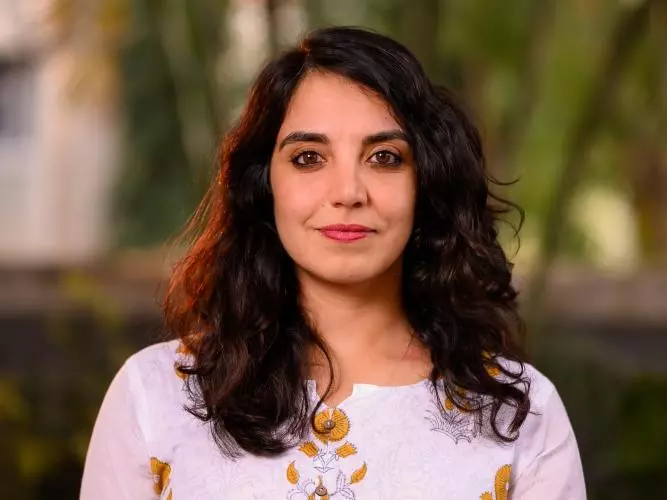

Research Assistant, University of Oxford Department of Social Policy and Intervention
Carolina Coll, Co-Investigator (Co-I)
Post-Doctoral Researcher, Federal University of Pelotas and the DOVE Centre of Human Development and Violence
Daniel Carter, Co-Investigator (Co-I)
Research Fellow, London School of Hygiene and Tropical Medicine
Post-Doctoral Researcher, Federal University of Pelotas and the DOVE Centre of Human Development and Violence
Technical Advisor of Evaluation at Africhild and PhD Candidate at the London School of Hygiene and Tropical Medicine
Research Fellow, Makerere University
Karen Devries, Co-Investigator (Co-I)
Professor of Social Epidemiology at the London School of Hygiene and Tropical Medicine
Joseph Murray, Co-Investigator (Co-I)
Professor at the Federal University of Pelotas and the DOVE Centre of Human Development and Violence
Laura Howe, Co-Investigator (Co-I)
Professor of Epidemiology and Medical Statistics at the University of Bristol